
Understanding Tinnitus: Causes, Symptoms, and Relief Options
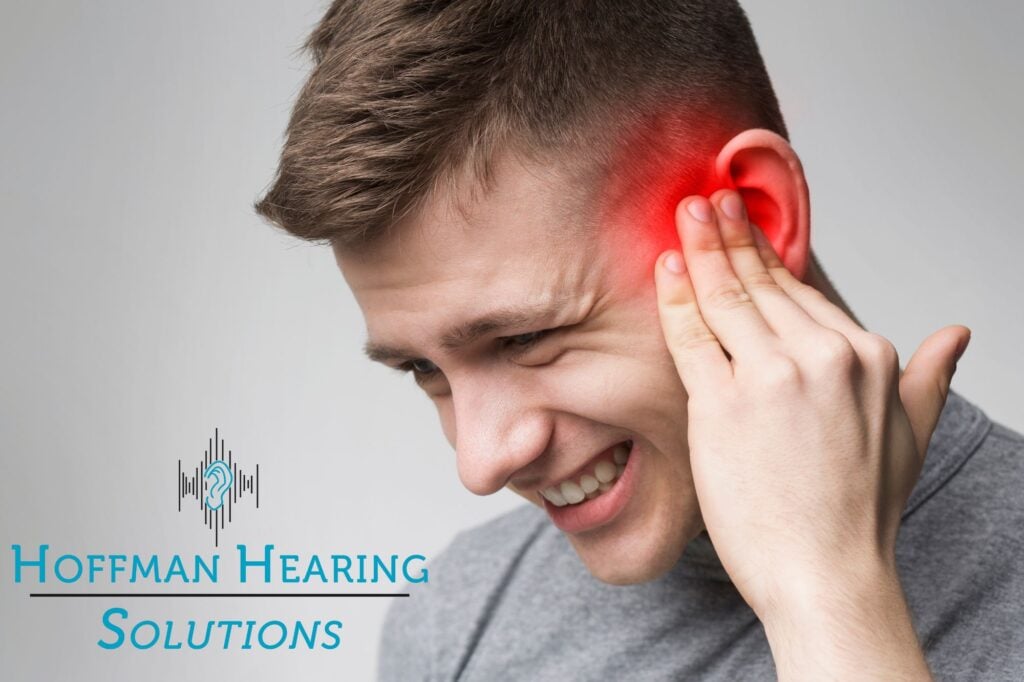
What Is Tinnitus? Tinnitus is the perception of sound in the ears or head without an external source. Many people describe tinnitus as ringing, buzzing, humming, hissing, or clicking sounds that only they can hear. The condition may affect one or both ears and can range from mild and occasional to persistent and disruptive. Tinnitus is especially common among older adults and individuals experiencing hearing loss. While it’s not usually a condition itself, tinnitus is often a symptom of an underlying hearing or health issue. Common Causes of Tinnitus Several factors can contribute to the development of tinnitus, including: Age-Related Hearing Loss As we age, delicate hair cells inside the inner ear naturally begin to deteriorate. This gradual hearing decline can trigger tinnitus symptoms. Exposure to Loud Noise Repeated exposure to loud sounds from concerts, machinery, firearms, or headphones can damage hearing structures and increase the risk of tinnitus. Ear Infections and Earwax Buildup Inflammation, fluid buildup, or impacted earwax can interfere with hearing and create ringing or buzzing sensations. Stress and Lifestyle Factors Stress, fatigue, caffeine, and certain medications may worsen tinnitus symptoms or make them more noticeable. Understanding the underlying cause is an important step toward finding effective relief. Recognizing Tinnitus Symptoms Tinnitus symptoms vary from person to person, but common signs include: Persistent or intermittent ringing in the ears Buzzing, humming, or hissing sounds Sounds that fluctuate in volume or pitch Difficulty concentrating or sleeping due to noise perception For some individuals, tinnitus may become more noticeable in quiet environments or during times of stress. Effective Tinnitus Relief Options Although tinnitus may not always be completely eliminated, several treatments and management strategies can significantly reduce symptoms and improve quality of life. Hearing Aids For individuals with hearing loss, hearing aids can amplify external sounds and make tinnitus less noticeable by increasing environmental sound awareness. Sound Therapy White noise machines, specialized apps, or soothing background sounds can help mask tinnitus and create a more relaxing listening environment. Lifestyle Adjustments Reducing stress, limiting caffeine, getting quality sleep, and protecting your ears from loud noise exposure may help minimize symptoms. Personalized Hearing Care At Hoffman Hearing Solutions, we create individualized tinnitus management plans designed around your unique hearing needs and lifestyle. When to Seek Professional Help If tinnitus becomes persistent, worsens over time, or interferes with daily activities, sleep, or concentration, it’s important to seek professional evaluation. A hearing specialist can determine the underlying cause and recommend the most effective treatment options to help you find relief. Take the First Step Toward Tinnitus Relief Living with tinnitus can be frustrating, but you don’t have to manage it alone. The team at Hoffman Hearing Solutions is dedicated to helping patients improve their hearing health and quality of life through comprehensive evaluations and personalized care. Schedule Your Appointment Today Contact Hoffman Hearing Solutions today to schedule a tinnitus evaluation and explore treatment options tailored to your needs. Take the first step toward quieter, more peaceful days.
How Noise Pollution Hurts Your Hearing Health
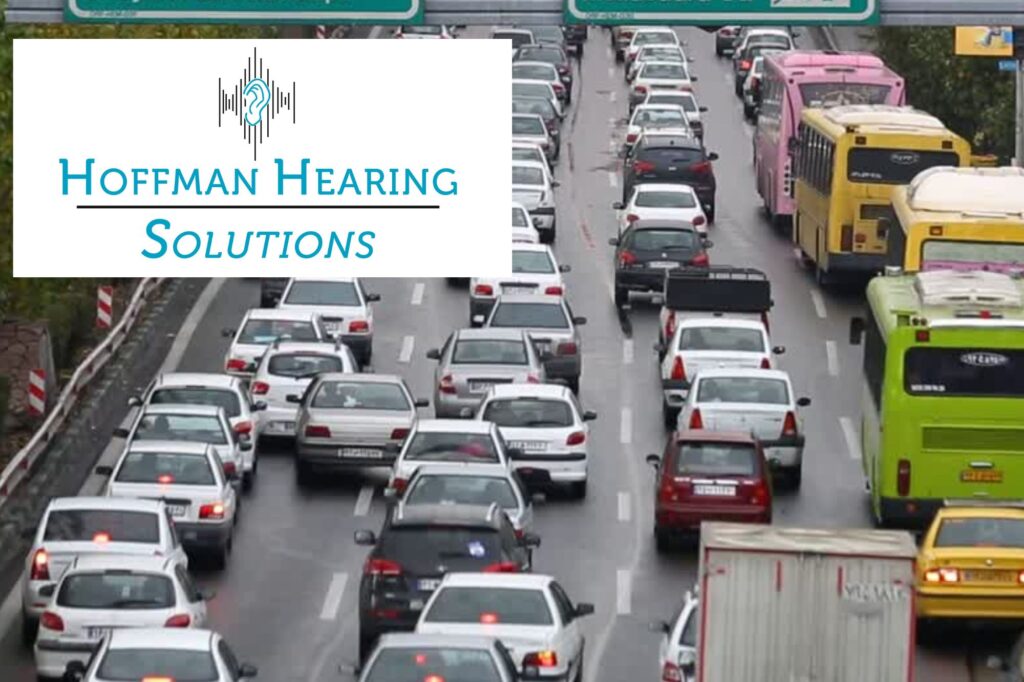
Introduction: The Hidden Danger of Everyday Noise Noise is a constant part of modern life—from traffic and construction to music and household appliances. While it may seem harmless, prolonged exposure to loud sounds can have serious consequences. Noise pollution and hearing loss are closely linked, making it essential to understand how everyday noise impacts your hearing health. What Is Noise Pollution? Noise pollution refers to unwanted or harmful sounds that disrupt your environment and well-being. These sounds often come from: Heavy traffic and road noise Construction and industrial work Loud music or entertainment venues Power tools and machinery In many cases, people are exposed to unsafe noise levels daily without realizing the long-term damage it can cause. How Noise Pollution Causes Hearing Loss Your ears contain delicate hair cells in the inner ear that help convert sound into signals your brain can understand. When exposed to loud noise over time, these cells can become damaged—and once damaged, they do not regenerate. Key Risks of Noise Exposure Noise-induced hearing loss (NIHL) from prolonged exposure Damage from sounds above 85 decibels (dB) Gradual hearing decline that may go unnoticed Even short bursts of extremely loud noise—like concerts or machinery—can cause lasting harm. Signs of Noise-Induced Hearing Loss Recognizing early symptoms is critical for protecting your hearing. Common signs include: Ringing or buzzing in the ears (tinnitus) Muffled or distorted sounds Difficulty understanding speech, especially in noisy settings Frequently asking others to repeat themselves If you notice any of these symptoms, it’s important to schedule a professional hearing evaluation as soon as possible. How to Protect Your Hearing from Noise Pollution The good news is that noise-induced hearing loss is largely preventable. Taking simple precautions can make a big difference. Use Hearing Protection Wear earplugs or earmuffs in loud environments like concerts, construction sites, or when using power tools. Lower Your Volume Keep personal audio devices at safe listening levels—generally below 60% of maximum volume. Limit Exposure Time Take breaks from noisy environments to give your ears time to recover. Schedule Regular Hearing Tests Routine hearing evaluations help detect early changes and protect long-term hearing health. How Hoffman Hearing Solutions Can Help At Hoffman Hearing Solutions, we’re dedicated to helping you protect and preserve your hearing. Our services include: Comprehensive hearing evaluations Personalized hearing protection solutions Advanced hearing aid technology Ongoing support and care Whether you’re experiencing symptoms or simply want to be proactive, our team is here to guide you every step of the way. Take Action to Protect Your Hearing Noise pollution is more than just an inconvenience—it’s a real threat to your hearing health. By understanding the risks and taking preventive steps, you can safeguard your hearing for years to come. Schedule a consultation with Hoffman Hearing Solutions today and take control of your hearing health before damage occurs.