
Honoring Audiology Pioneers: Innovators Who Shaped Hearing Care
Audiology has transformed the lives of millions by helping people stay connected, confident, and engaged through better hearing. From early diagnostic tools to today’s advanced hearing technologies, the field continues to evolve thanks to the brilliant minds who paved the way. This article celebrates the pioneering innovators whose contributions shaped modern hearing care and whose legacy continues to guide our work at Hoffman Hearing Solutions. The Early Beginnings of Audiology Although hearing care has ancient roots, audiology emerged as a formal discipline in the mid-20th century, largely in response to hearing loss among soldiers returning from World War II. Early audiologists focused on: Understanding the mechanisms of hearing loss Developing reliable hearing tests Designing the first clinical tools for assessing hearing One of the earliest technological breakthroughs was the audiometer, a device that allowed clinicians to measure hearing thresholds with accuracy. These foundational tools established audiology as a vital healthcare specialty and opened the door to more advanced research and innovation. Key Innovators and Their Contributions Emily Peck — Advancing Speech Audiometry Emily Peck’s groundbreaking work in speech audiometry revolutionized how clinicians evaluate speech understanding. Her research allowed audiologists to assess not just whether someone could hear sounds, but how well they could interpret spoken language. This nuance remains essential today, helping specialists create personalized treatment plans for individuals with varying hearing and speech-processing needs. Samuel Lybarger — Father of the Ear-Level Hearing Aid Often called the “dean of audiology,” Samuel Lybarger introduced the concept of ear-level hearing aids, moving assistive devices from bulky body-worn units to compact, user-friendly designs. His focus on: Comfort Discretion Improved sound clarity …became the foundation of modern hearing aid innovation. Today’s sophisticated digital devices owe much to Lybarger’s passion for user-centered design. Modern Innovations Inspired by the Pioneers The principles established by early audiology pioneers continue to drive progress in hearing care technology. Digital Hearing Aids Thanks to decades of refinement, modern hearing aids now offer: Directional microphones Noise-reduction algorithms Bluetooth streaming Rechargeable lithium batteries Automatic sound adjustments These advancements stem from the original pursuit of clearer sound, miniaturization, and user comfort. Cochlear Implants Cochlear implants—life-changing devices for individuals with severe-to-profound hearing loss—were built on early research into the auditory system’s electrical stimulation. Today, implants deliver exceptional sound quality, improved speech recognition, and renewed access to communication. The Lasting Impact on Today’s Hearing Solutions At Hoffman Hearing Solutions, we proudly carry forward the spirit of innovation established by these trailblazers. Their work fuels our commitment to: Advanced diagnostic testing Personalized hearing solutions Cutting-edge hearing aid technology Comprehensive patient-centered care We honor their contributions by ensuring every patient receives the highest-quality hearing healthcare grounded in decades of research and progress. Conclusion The innovations of audiology’s pioneers have changed countless lives and set the stage for the extraordinary hearing solutions available today. By understanding their contributions, we gain a deeper appreciation for the tools and technology that allow so many people to reconnect with the world around them. Ready to experience the next generation of hearing care?Schedule a personalized hearing assessment with Hoffman Hearing Solutions today. Our skilled audiologists are here to guide you toward better hearing—supported by today’s best technology and inspired by the pioneers who made it possible.
Protect Your Hearing: When and How to Use Equipment
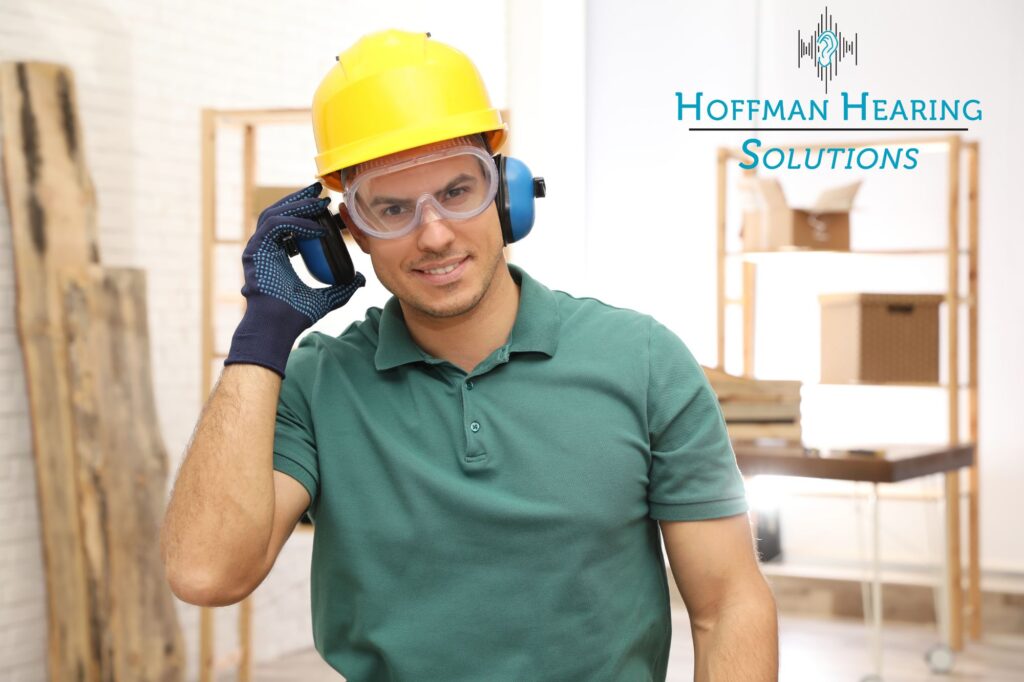
As we age, our senses naturally become more vulnerable—and hearing is no exception. Many older adults underestimate the importance of hearing protection, exposing themselves to unnecessary risks from everyday noise. Being proactive about hearing health can make all the difference in preserving your ability to enjoy life’s sounds for years to come. Understanding When to Use Hearing Protection Loud Environments Whether you’re at a concert, working on a construction site, or using loud tools like leaf blowers or chainsaws, extended exposure to high noise levels can lead to permanent hearing damage. If you need to raise your voice to speak to someone nearby, that’s a clear sign the noise level is high enough to require protection. Chronic Noise Exposure Even moderate, consistent noise can harm hearing over time. Urban environments often expose individuals to traffic, public transportation, or construction noise. Similarly, frequent travelers may face continuous exposure to the hum of airplanes and trains. Recognizing these sources of chronic noise allows you to make informed decisions about when to use protection. Types of Hearing Protection Equipment Earplugs Earplugs are a versatile and portable option suitable for a wide range of situations. Options include: Foam earplugs for one-time or occasional use Custom-fit earplugs designed for comfort and long-term wear Electronic earplugs that automatically adjust to different noise levels They’re discreet, easy to carry, and fit seamlessly into daily life. Earmuffs Earmuffs provide comprehensive coverage and are ideal for stationary activities or home use. While less portable than earplugs, they’re easy to use and perfect for tasks like lawn mowing or DIY projects. Their full ear coverage offers excellent noise reduction and protection. Noise-Cancelling Headphones Noise-cancelling headphones combine comfort and protection by blocking background noise and improving focus. They’re ideal for both recreational and work settings—helping you relax, concentrate, or travel more comfortably while protecting your ears from sustained noise exposure. How to Use Hearing Protection Equipment Properly Correct Fitting of Earplugs and Earmuffs The effectiveness of hearing protection depends on proper fit. Earplugs: Roll foam plugs between your fingers, insert them gently but deeply into the ear canal, and hold until they expand for a snug seal. Earmuffs: Adjust the headband so the cups fully enclose your ears without being too tight or loose. A proper fit ensures maximum sound reduction and comfort. Regular Maintenance and Replacement To maintain hygiene and effectiveness: Clean reusable earplugs and earmuffs regularly Replace foam earplugs after each use Check for wear and replace damaged or ill-fitting equipment Keeping your hearing protection clean and well-maintained ensures lasting performance. Improving Hearing Health with Prevention Prevention is the cornerstone of hearing wellness. Schedule regular hearing checks with qualified audiologists to monitor your auditory health and catch potential problems early. At Hoffman Hearing Solutions, we offer comprehensive hearing assessments and expert advice to help you maintain optimal hearing health through proactive care and professional guidance. Conclusion Understanding when and how to use hearing protection—and maintaining your equipment properly—can significantly safeguard your hearing for the future. Prevention, combined with professional support, ensures you can continue enjoying life’s beautiful sounds with confidence. Take the first step today. Schedule a consultation with Hoffman Hearing Solutions and let our experts guide you in protecting and preserving your hearing health for years to come.